The newest hearing aids, and what actually matters about each one.
Short, plain profiles of the current models we fit most often, from Oticon, Phonak, Starkey, and ReSound. No hype. Every one of them still gets verified in your ear with Real Ear Measurement (REM) before you leave.
Manufacturers release new platforms roughly every year, and the marketing gets louder each time. Here is what each current model is, in a sentence or two, and who it tends to suit. Claims below are the manufacturers' own, noted as such. What we can promise is the fitting, not the chip. Read how we verify every fitting
Last updated September 2026. We update this page as new models ship.
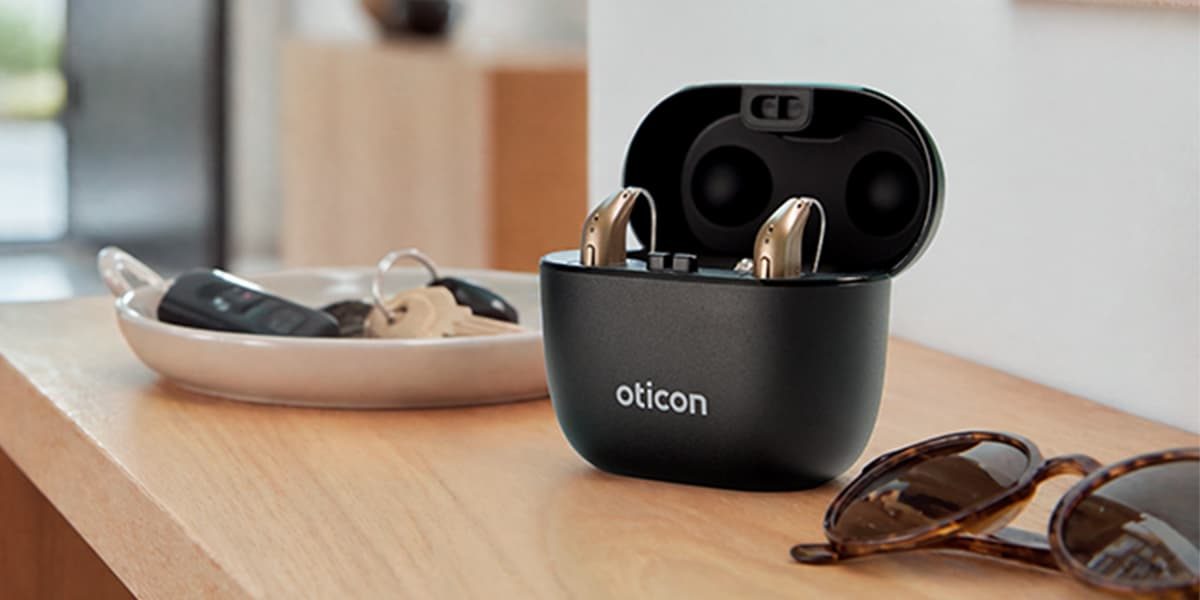
Oticon Reveal
Oticon's newest rechargeable behind-the-ear (miniRITE) model, released August 2026. It runs two AI systems at once, one that follows speech and one that keeps the surrounding sounds in balance, which reflects Oticon's long-standing view that the brain does better with a full sound picture rather than speech alone. Bluetooth LE Audio, Auracast, and hands-free calling are built in.
Tends to suit: people who want a natural, open sound in restaurants and groups rather than an aggressive noise filter.
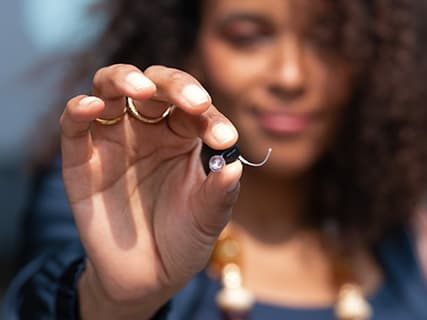
Oticon Zeal
A custom in-the-ear hearing aid that is both rechargeable and Bluetooth, which Oticon had not offered in a shell this small before. Roughly twenty hours on a charge, streaming and hands-free calls from a phone, and a fifteen-minute top-up buys about four hours. Reached the U.S. in early 2026.
Tends to suit: people who want something discreet inside the ear without giving up streaming or dealing with tiny batteries.
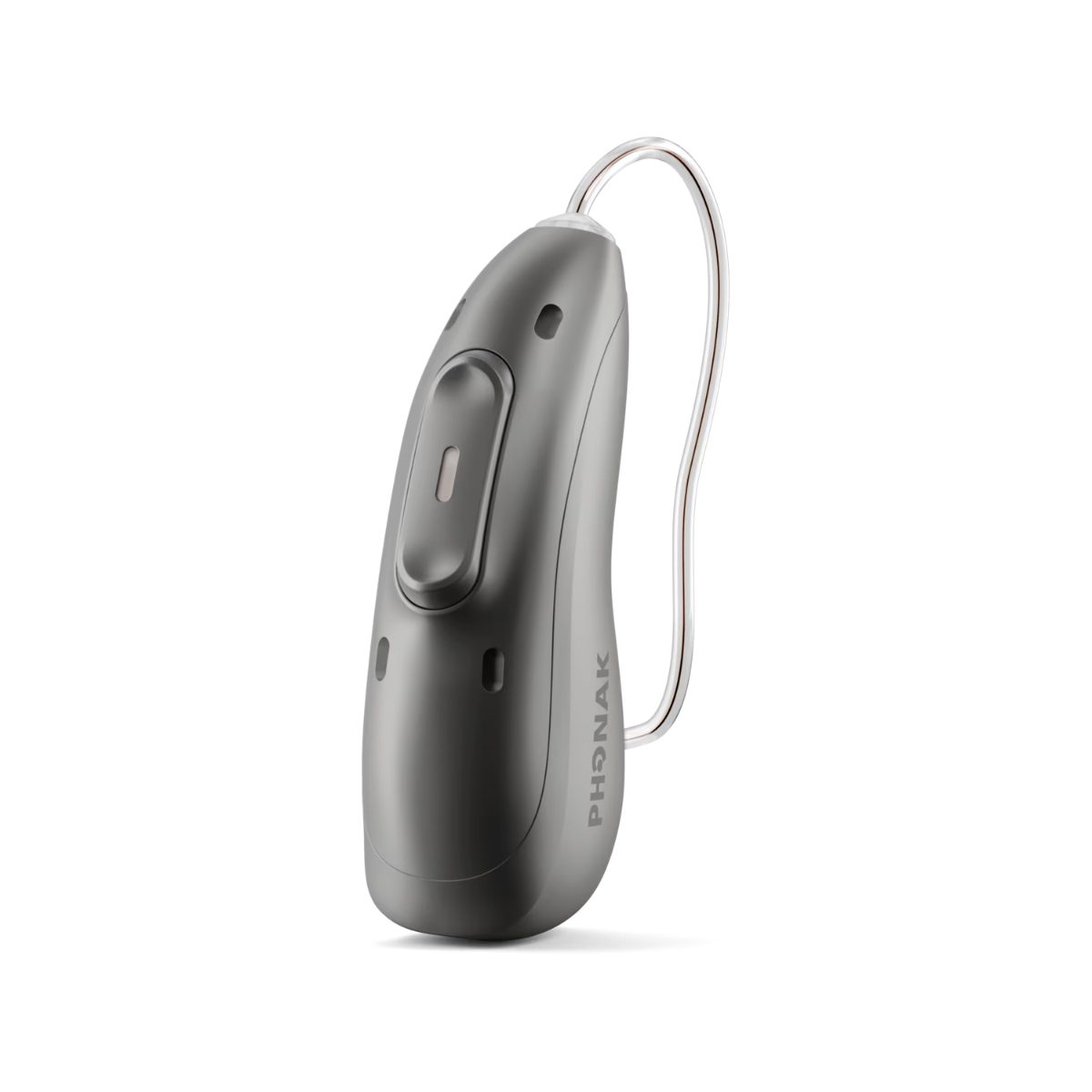
Phonak Audéo Eon Sphere
Phonak's August 2026 successor to the Audéo Sphere Infinio, built on a new HyperSonic chip. Phonak says it is about 25 percent smaller and 20 percent lighter than the previous Sphere, runs up to 38 hours on a charge, and adds Auracast and a stronger wind-noise filter. The dedicated speech-in-noise processing is the reason people ask for this one by name.
Tends to suit: people whose hardest situations are loud restaurants, and anyone who wants Bluetooth that connects to nearly any phone.
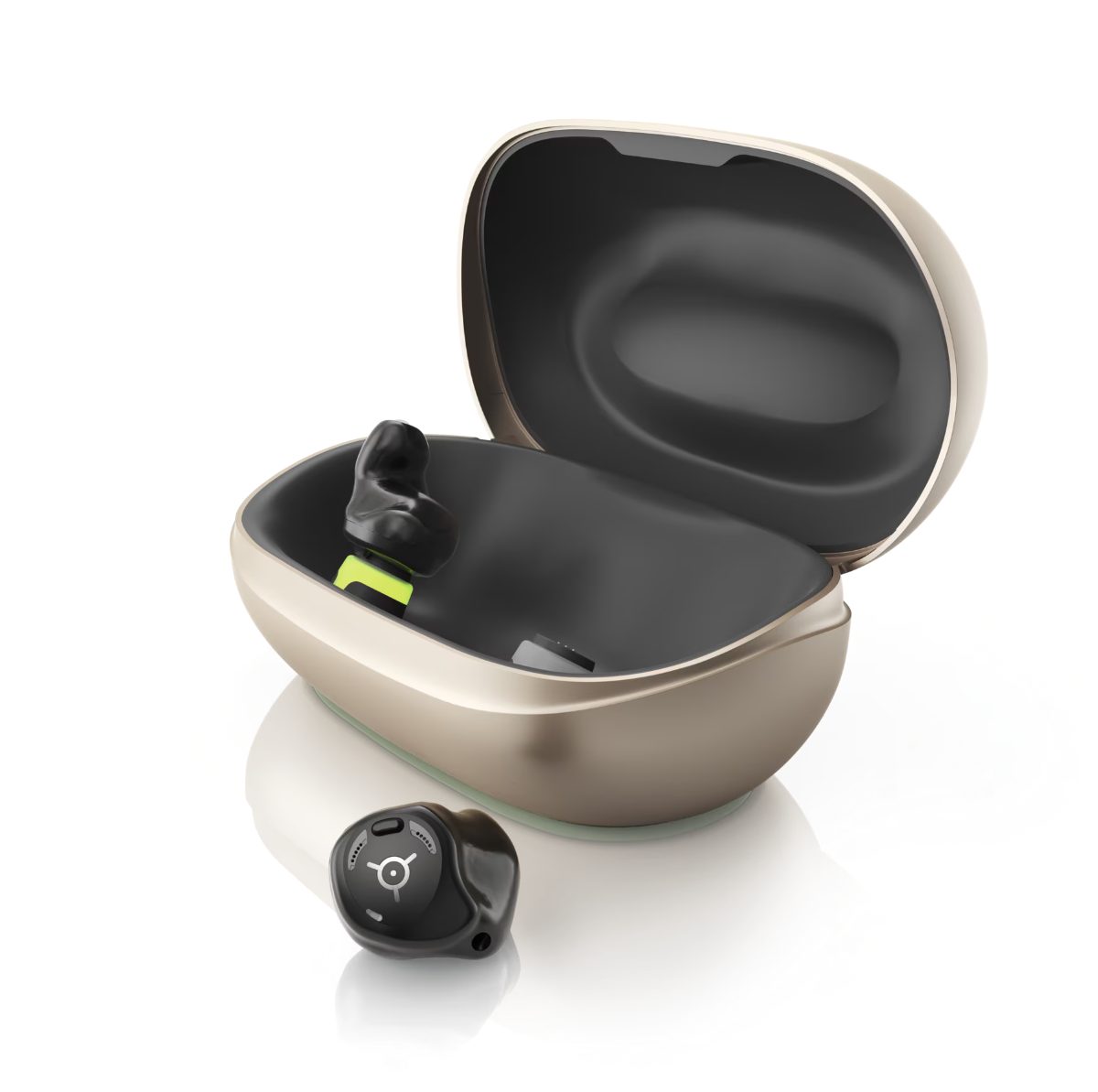
Phonak Virto R Infinio
A rechargeable custom in-the-ear model from 2025 that Phonak describes as likely the smallest rechargeable in-the-ear hearing aid available. Up to 30 hours on a charge, Bluetooth to phones and Roger microphones, and a shell built from an impression of your ear.
Tends to suit: people who prefer nothing behind the ear, wear glasses or oxygen, or want a custom fit that charges overnight.
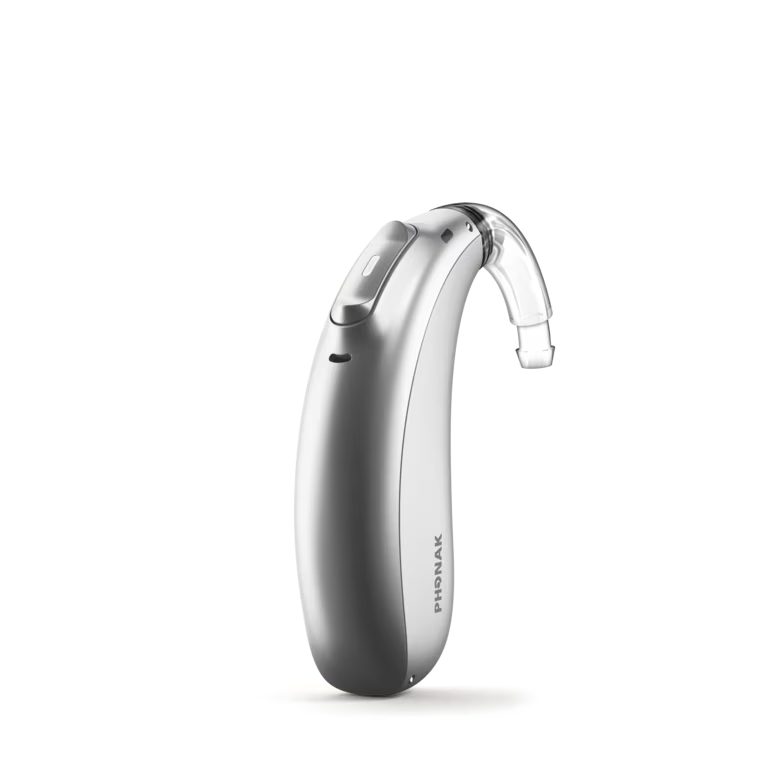
Phonak Naída Lumity
Phonak's power behind-the-ear line for severe to profound hearing loss. It comes rechargeable (L-PR) or with a size 675 battery and telecoil (L-UP), supports hands-free calling and Roger remote microphones, and can be paired with a CROS for single-sided loss.
Tends to suit: people with a significant loss who need real power and reliability, including long-time power aid wearers moving up from an older device.
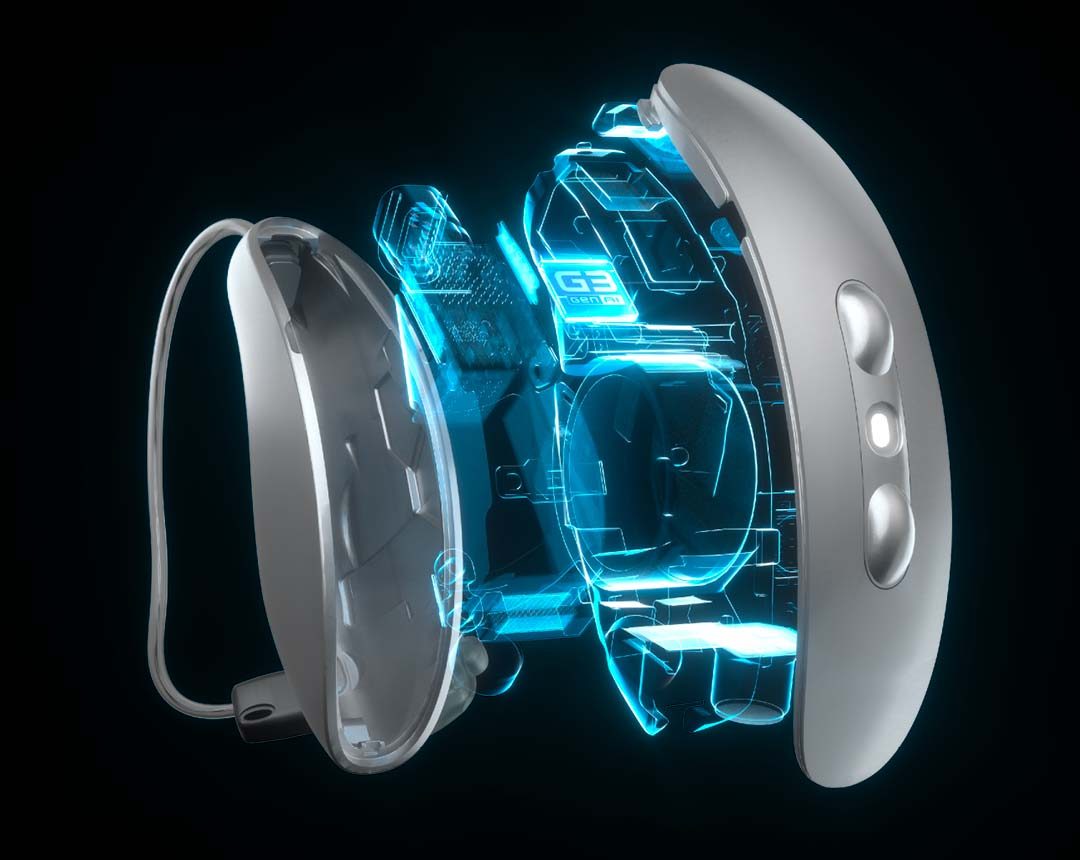
Starkey Omega AI
Starkey's flagship platform, released October 2025, in receiver-in-canal and custom styles. It uses a dedicated neural processor for speech in noise, runs up to 51 hours on a charge, is rated IP68 for water and dust, and adds Auracast plus health features such as step tracking and fall alerts. Starkey reports up to a 28 percent improvement in speech understanding compared with its previous generation.
Tends to suit: active people who want very long battery life and the fall-alert and activity features, and anyone who lives around water and dust.
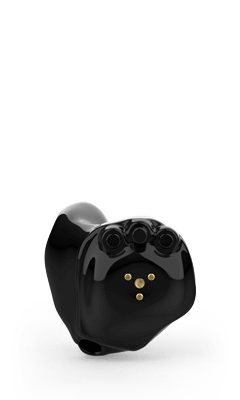
Starkey Omega AI ITC R
The same Omega AI platform in a rechargeable custom in-the-canal shell. You get the full feature set, including Bluetooth and the app, in a device that sits in the ear rather than behind it and never needs a battery change.
Tends to suit: people who want a custom, in-the-ear fit with modern connectivity.
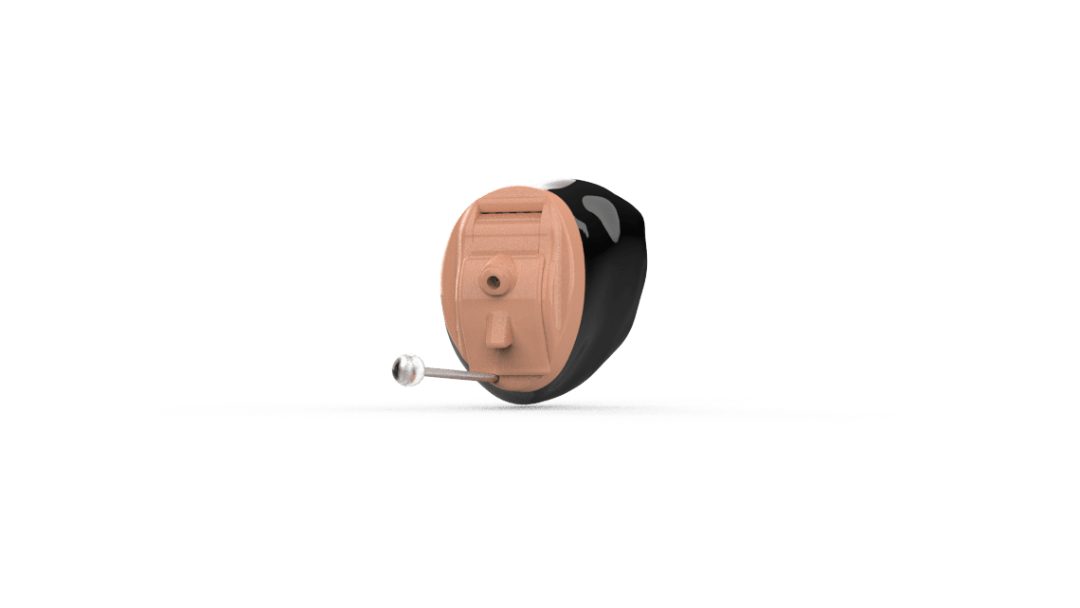
Starkey Signature Series IIC
Starkey's smallest hearing aid. It sits deep in the canal, is built from an impression of your ear, runs on a size 10 battery, and has no Bluetooth. What you give up in streaming you get back in invisibility.
Tends to suit: people whose first priority is that nobody can see it, with a mild to moderate loss and a canal shape that allows a deep fit.
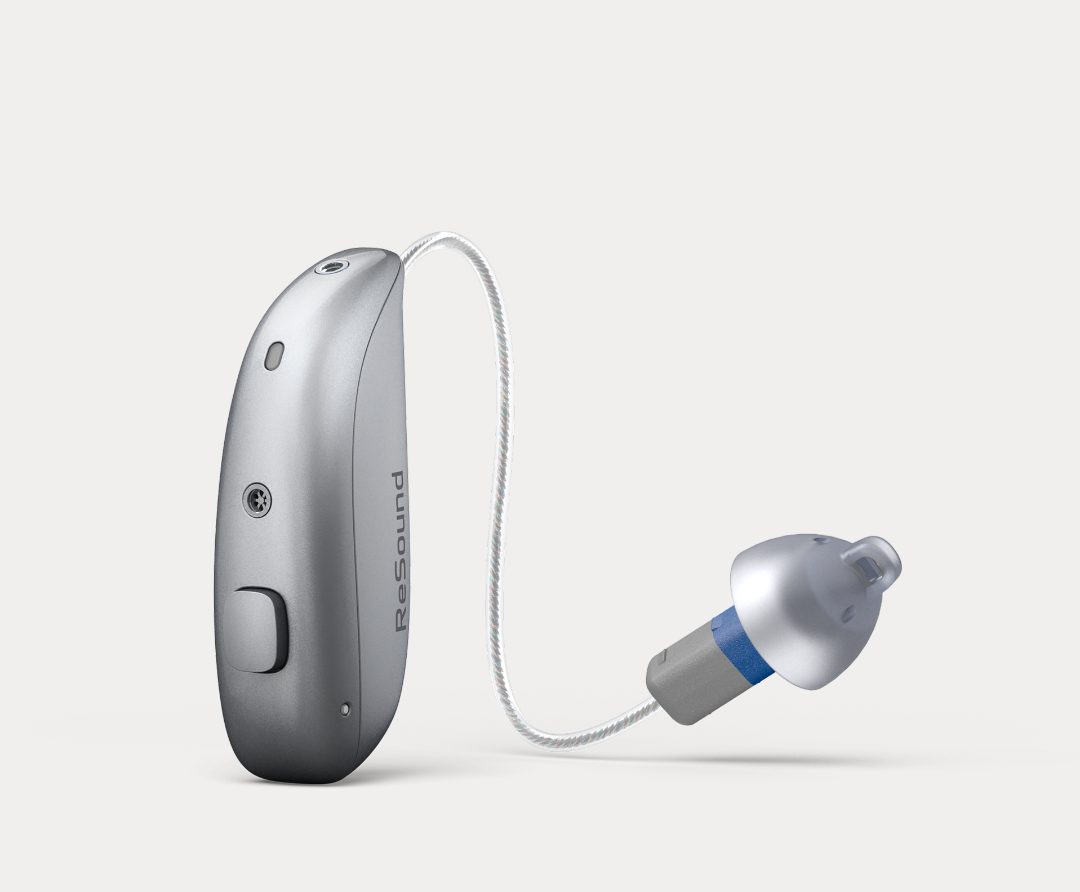
ReSound Sensia
ReSound's newest platform, released August 2026, with a second chip dedicated to deep neural network noise reduction. Its Intelligent Focus feature combines four-microphone beamforming with that denoising so the voice you are facing comes forward automatically. Available as a receiver-in-ear, a smaller micro RIE, and custom in-the-ear styles, with Auracast on every model and about 24 hours per charge on the rechargeable versions.
Tends to suit: people who want the newest ReSound processing, and anyone with a Cochlear implant on the other ear, since the bimodal versions pair with Cochlear Nucleus processors.
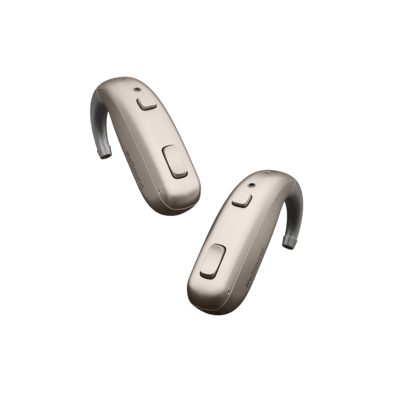
ReSound Enzo IA
A rechargeable super power behind-the-ear for severe to profound loss, released August 2025. GN describes it as the world's smallest rechargeable super power hearing aid. About 28 hours per charge, four-microphone beamforming for noise, Bluetooth LE Audio with Auracast, and direct phone call streaming.
Tends to suit: people with a significant loss who want rechargeable convenience without giving up power.
Which one is right for you
It depends on your hearing test, your ear anatomy, how you spend your day, and what you want the device to do. We carry all of the above and are not tied to any one manufacturer, so the answer is not decided before you walk in. See how we choose and care for hearing aids
Come see the difference measurement makes.
Call us, or send a request and we will follow up. Please leave medical details out of the form; we will cover those in person.
Request an Appointment